
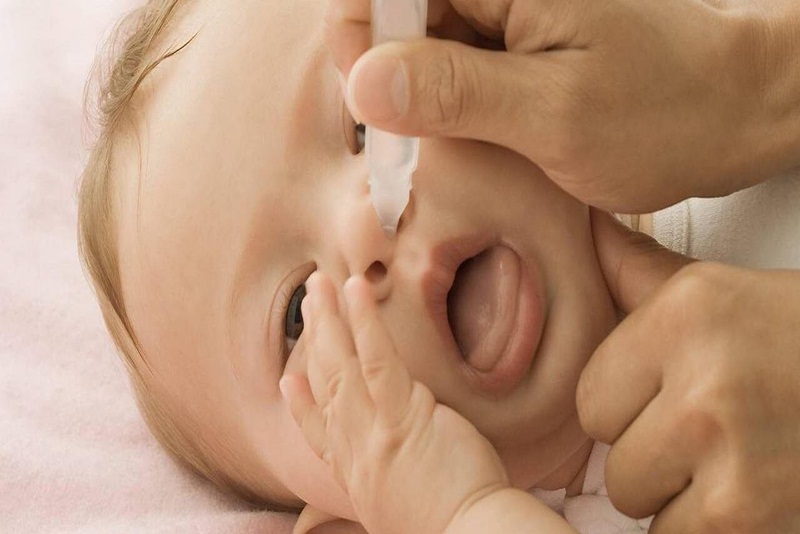
Bé hay khò khè, khó thở, thở không đều có ảnh hưởng đến phổi trẻ hay không ?
Tháng 11 1, 2022Reusable Diapers: A Sustainable Choice for Saving the Environment
Tháng 6 17, 2026The Hidden Environmental Cost of Disposable Diapers: What Every Parent Should Know
Every year, billions of disposable diapers end up in landfills around the world. While they offer undeniable convenience for busy parents, the environmental toll of single-use diapers is staggering and often overlooked. In this post, we explore the key ways disposable diapers affect our planet and what alternatives exist for eco-conscious families.
How Many Diapers End Up in Landfills?
A single baby will use approximately 6,000 to 8,000 diapers before being potty trained. In the United States alone, an estimated 20 billion disposable diapers are added to landfills each year, accounting for roughly 3.5 million tons of waste. Globally, that figure climbs into the hundreds of billions. Because disposable diapers are designed for single use, this represents one of the largest categories of household waste in many developed nations.
Decomposition: A Problem That Lasts Centuries
Standard disposable diapers are made with a blend of plastics, superabsorbent polymers, wood pulp, and adhesives. These materials do not break down quickly. Estimates suggest that a single disposable diaper can take 250 to 500 years to fully decompose in a landfill environment. During that time, they occupy valuable landfill space and release methane—a potent greenhouse gas—as the organic components slowly break down under anaerobic conditions.
Water and Resource Consumption
The manufacturing process for disposable diapers is resource-intensive. Producing diapers requires significant quantities of fresh water, wood pulp, petroleum-based plastics, and energy. It is estimated that over 200,000 trees are destroyed annually just to manufacture diapers for babies in the United States. The production process also generates wastewater and air pollutants that contribute to environmental degradation long before the diaper ever reaches a baby.
Chemical Concerns
Disposable diapers often contain chemicals such as sodium polyacrylate (the superabsorbent polymer), dioxins from bleaching processes, fragrances, and phthalates. When diapers decompose in landfills, these chemicals can leach into soil and groundwater, potentially contaminating local ecosystems and drinking water sources. While the health risks to individual babies are debated, the cumulative environmental contamination is a growing concern among scientists and environmental advocates.
Carbon Footprint
A lifecycle analysis of disposable diapers reveals a significant carbon footprint. From the extraction of raw materials and manufacturing to transportation, retail, use, and eventual disposal, each diaper contributes to greenhouse gas emissions. Studies estimate that the carbon footprint of disposable diaper use for one child over two and a half years is roughly equivalent to driving a car 1,000 to 1,500 miles.
Ocean and Waterway Pollution
Disposable diapers are among the most common items found during coastal cleanups worldwide. Improperly disposed diapers can enter rivers and oceans, where they break into microplastics and release chemical contaminants. Marine animals can ingest these microplastics or become entangled in diaper fragments, contributing to the broader crisis of ocean pollution.
Eco-Friendly Alternatives
Fortunately, parents today have more options than ever to reduce their diaper-related environmental footprint:
- Cloth diapers: Modern cloth diapers are washable, reusable, and come in a variety of styles. While they require water and energy for laundering, studies show they can reduce waste by up to 40% compared to disposables when used consistently.
- Biodegradable diapers: Several brands now offer diapers made from plant-based materials that decompose more quickly and contain fewer harmful chemicals. Look for certifications such as OEKO-TEX or FSC.
- Hybrid diapers: These combine a reusable outer shell with a disposable, biodegradable insert, offering a middle ground between convenience and sustainability.
- Elimination communication: Some families practice early potty training techniques that reduce overall diaper usage from the start.
What Can Parents Do?
If switching entirely away from disposable diapers is not practical for your family, there are still steps you can take to minimize the environmental impact:
- Choose brands that use sustainably sourced materials and avoid unnecessary fragrances or chemicals.
- Reduce diaper waste by changing only when necessary rather than on a fixed schedule.
- Dispose of diapers properly—never litter or flush them.
- Consider a hybrid approach: use cloth at home and disposables when out and about.
- Support legislation and initiatives aimed at improving diaper recycling and waste management infrastructure.
Conclusion
The convenience of disposable diapers comes at a significant environmental cost—one that affects landfills, oceans, waterways, and the climate. By understanding these impacts and exploring greener alternatives, parents can make informed choices that benefit both their families and the planet. Every diaper decision adds up, and even small changes in diapering habits can make a meaningful difference over time.